
Over the past few years, organizations have invested heavily in talent technology—yet adoption and impact often fall short of expectations. AI-driven platforms promise smarter matching, automated workforce planning and increasingly sophisticated skills intelligence.
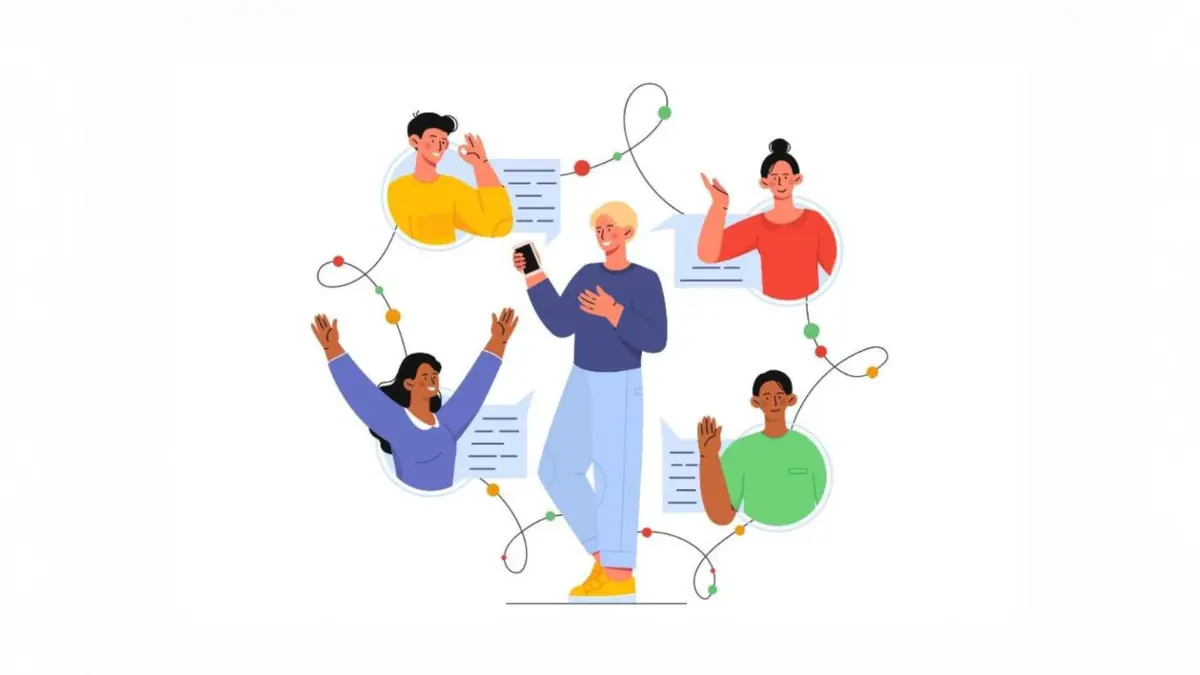
As with most technology-driven transformations, human readiness is key to realizing value: whether employees feel safe enough to explore, visible enough to be considered and supported enough to engage. The future of talent technology may be less about smarter algorithms and more about activating the organization’s internal talent network—creating stronger communities where people can connect, experiment and grow with confidence.
1. Safety comes first: exploration requires psychological safety
Most talent systems assume employees will explore opportunities simply because they exist. Several HR leaders interviewed for this piece repeatedly highlighted that exploration at work requires psychological safety. Expressing interest in learning, internal projects, mentoring or new directions can feel risky if it is misread as disengagement or disloyalty to the current team.
When safety is missing, systems fail quietly. Employees disengage not because opportunities do not exist, but because they do not feel accessible. Over time, people leave not due to a lack of ambition, but because they feel stuck. One interviewee summed this up simply: “People don’t leave because they want to quit; they leave because learning stops.”
Consequently, low adoption feeds leadership scepticism. The result is a cycle where organizations keep investing in external tools while internal employees silently opt out. Engagement mechanisms such as mentoring, recognition and interest groups are not just nice-to-haves; they create the psychological foundation that makes exploration safe.
2. Visibility is the missing link: from hidden potential to visible opportunity
Beyond systems and frameworks, visibility is fundamentally a human experience. Employees need to feel seen for their capabilities and aspirations, not just recorded in a system.
In many organizations, the challenge is not a lack of capability but a lack of visibility. Skills exist in practice—they live in people—but employees are not always seen for what they can do or what they aspire to become. Organizations often introduce skills frameworks and role taxonomies to close this gap, but these can remain disconnected from daily work.
Job titles rarely capture what people are capable of or curious about. When skills and interests are not visible, managers default to familiar names and informal networks. Rich talent profiles and living skills maps can improve visibility when they are embedded into how work actually happens—not simply maintained as data repositories.
This is especially important for mid-sized organizations, where the need for sophistication is real but overhead must remain low. Weak data, manual HR processes and overworked employees can make skills frameworks, mentoring and reporting difficult to sustain. Ultimately, visibility is about ensuring employees feel seen and considered beyond their current role.
3. Support drives engagement: make growth easy, human and everyday
Support is about whether employees feel empowered and encouraged to act. An engagement-first approach reframes talent systems as living environments that encourage employees to explore and take ownership of their growth, rather than as transactional tools.
Growth is not a single outcome. Some employees want to deepen skills in their current role; others want mentors, novelty through short-term projects or stronger internal networks. Employees are more likely to engage when their aspirations are acknowledged and supported rather than evaluated or constrained.
Low-stakes opportunities—short projects, cross-functional gigs, mentoring, peer learning and AI-supported matching—allow employees to test, learn and build confidence without requiring a high-stakes decision. Internal networks create awareness, trust and informal pathways long before any formal move takes place.
Psychology offers a useful lens. People are more motivated when they experience autonomy, competence and relatedness. Talent platforms that reinforce these principles—making employees feel empowered, capable and connected—are more likely to be adopted.
To conclude
For HR leaders, the question shifts from “Do we have the right system?” to “Are we activating our internal talent network in a way that feels safe, visible and empowering?”
Technology alone cannot compensate for weak human foundations. Strong change management, communication and leadership intent remain critical. Rather than replacing existing HRMS or learning systems, organizations can focus on activating them—making opportunities more visible, accessible and relevant.
Over time, activating the internal talent network strengthens retention, unlocks hidden capacity, supports data-driven succession and builds a future-ready workforce. When platforms help employees connect, grow and succeed—while equipping HR with automation and insight—talent technology stops feeling like a system and starts feeling like a People Success Engine.