
Employee engagement is critical to performance and retention. Yet keeping people engaged is an ongoing challenge as work patterns, personal contexts and expectations continue to evolve.
Traditional approaches often struggle to respond to hybrid work, generational differences and varying levels of digital fluency. Internal talent marketplaces offer another route by connecting employees, increasing agency and matching needs with opportunities.
Why engagement matters
Engaged employees contribute more consistently and are less likely to leave. In a business environment shaped by disruptive technology, geopolitical uncertainty and changing customer expectations, that commitment is central to resilience.
Challenges in engaging today’s workforce
- Polarization. Social and political divisions can make healthy workplace relationships harder to sustain.
- Competing networks. Employees participate in sophisticated networks outside work and expect similar ease, relevance and immediacy internally.
- A remote, digital-first workforce. Traditional office-led engagement has less reach, while many employees are comfortable building relationships online.
How talent marketplaces can improve engagement
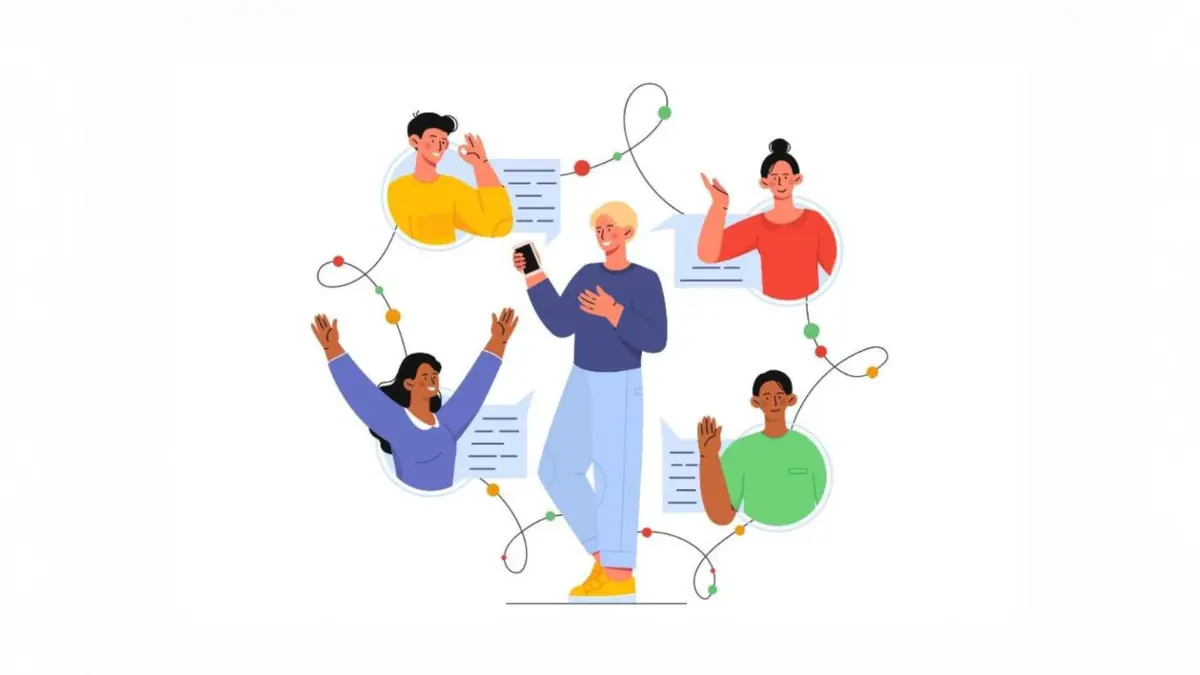
A marketplace creates one network in which employees can contribute as well as discover. It can provide personalised, real-time recommendations based on individual preferences while making opportunities across the organization easier to see.
- Foster social connectivity. Give people places to share achievements, ideas and updates across team boundaries.
- Encourage peer support. Enable mentoring, stretch assignments and cross-functional collaboration.
- Personalise the experience. Help each employee build a relevant internal network and discover opportunities aligned with their interests.
Conclusion
By combining digital connectivity with meaningful opportunity, internal talent marketplaces can help employees build stronger networks, improve performance and remain engaged as the organization changes.